"Step-by-Step Guide to Choosing Conveyor Manufacturers "
In the vast realm of Mechanical Engineering and Supporting Industries, conveyor systems stand out as essential components that streamline processes and enhance productivity. This step-by-step guide aims to illuminate the intricacies of selecting and collaborating with conveyor manufacturers, ensuring that businesses can make informed decisions that cater to their specific operational needs. From understanding the types of conveyors available to assessing manufacturer capabilities, this guide will navigate you through each critical phase of the process.
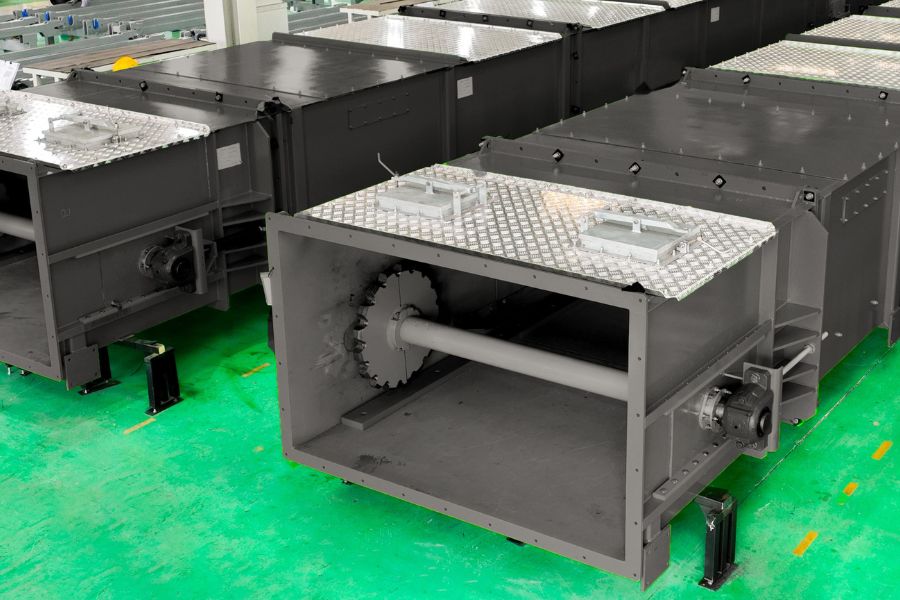 See Article Details At: conveyor manufacturers
Step 1: Identify Your Conveyor Needs
The first step in engaging with conveyor manufacturers is to clearly define your requirements. Consider the following aspects:
- Product Type: What items will the conveyor transport? Are they heavy, fragile, or irregularly shaped?
- Environment: Will the conveyor operate in a clean room, outdoor setting, or hazardous environment?
- Space Constraints: What are the dimensions of the area where the conveyor will be installed?
- Throughput Requirements: How much product needs to be moved within a specific time frame?
By outlining these details, you enable manufacturers to provide tailored solutions that match your operational demands.
Step 2: Research Conveyor Manufacturers
Once you have a clear understanding of your needs, the next step is to research potential conveyor manufacturers. Here are some tips to consider:
See More At: Conveyor Manufacturers vs Alternatives: A Smart Choice in Engineering
- Industry Experience: Look for manufacturers with a proven track record in your industry. Their expertise can significantly influence the design and efficiency of the conveyor system.
- Product Range: Evaluate whether the manufacturer offers a variety of conveyor types, such as belt, roller, or modular conveyors. A diverse product range indicates flexibility in meeting different requirements.
- Customer Reviews: Read testimonials and case studies to gauge customer satisfaction and the effectiveness of the manufacturer's solutions.
Thorough research is vital to ensure that you partner with a reputable manufacturer who understands the nuances of your sector.
View At: Step-by-Step Guide to Choosing Conveyor Manufacturers
Step 3: Evaluate Manufacturer Capabilities
Before finalizing your choice, assess the capabilities of each manufacturer. Consider these factors:
- Customization Options: Can the manufacturer create bespoke solutions that cater to your specific needs?
- Technology Integration: How well can the conveyor system integrate with your existing technologies, such as warehouse management systems or robotics?
- Quality Assurance: What measures does the manufacturer take to ensure quality control? Look for certifications and compliance with industry standards.
This evaluation helps ensure that the manufacturer can deliver a reliable, efficient, and compliant conveyor system.
Step 4: Request Proposals and Compare Offers
After narrowing down your options, request detailed proposals from the shortlisted manufacturers. When comparing offers, pay attention to:
- Pricing: Ensure that you compare similar solutions. Cheaper options may lack quality or longevity.
- Lead Times: Ask about the expected delivery and installation timelines. Delays can impact your operations.
- After-Sales Support: Understand the warranty and support services provided post-installation. A reliable support system is crucial for maintaining operational efficiency.
This comparison will aid in making an informed decision that aligns with your budget and operational timelines.
Step 5: Collaborate During Design and Installation
Once you've selected a manufacturer, effective collaboration is key during the design and installation phases. Engage with the manufacturer by:
- Providing Feedback: Share your insights and requirements during the design process to ensure the conveyor meets your expectations.
- Understanding the Installation Process: Familiarize yourself with the installation plan, including timelines and necessary resources.
- Training Staff: Ensure that your team receives proper training on operating and maintaining the new conveyor system.
This partnership will lead to a smoother installation and a more efficient conveyor system operation.
Conclusion
In conclusion, selecting the right conveyor manufacturer in the Mechanical Engineering and Supporting Industries involves a thorough step-by-step process, from identifying your needs to collaborating effectively during installation. By following this guide, you can ensure that your conveyor system enhances productivity and meets all operational demands. Don't hesitate to take the first step; reaching out to potential manufacturers could be the catalyst for optimizing your processes today.
THACO Industries empowers global partners to scale production efficiently in Vietnam. Partner with THACO Industries for a comprehensive OEM manufacturing service in Vietnam, providing full-cycle OEM manufacturing that includes design engineering, fabrication, assembly, testing, and end-to-end logistics support.
#conveyor_manufacturers, #conveyormanufacturers, #THACO_Industries, #THACOIndustries, #THACO_Industries

Comments
Post a Comment